

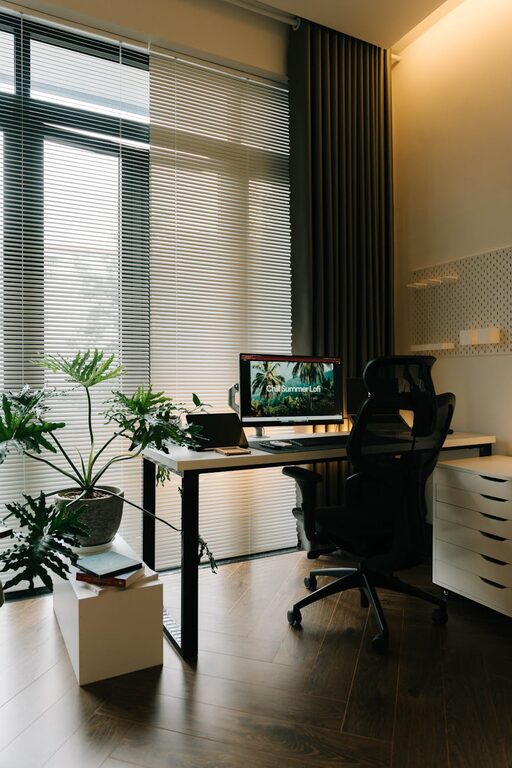
Creating a relaxing home workspace is essential for maintaining productivity, especially when working remotely or managing tasks from home. A well-designed space helps reduce stress, minimize distractions, and foster a positive mindset. Below are helpful tips and ideas to transform your home workspace into a calm and productive environment.
Why a Relaxing Workspace Matters
Your surroundings influence how you feel and perform. A cluttered or uncomfortable area can cause tension and reduce motivation. On the other hand, a thoughtfully organized and visually pleasing workspace encourages concentration and creativity. By making your workspace relaxing, you’re setting yourself up for success in your daily tasks.
Choosing the Right Location
Find a Quiet Spot
Select a place in your home that is quiet and away from high-traffic areas. This helps limit interruptions and background noise.
Consider Natural Light
If possible, position your desk near a window. Natural light improves mood and reduces eye strain. When natural light is limited, use soft, warm lighting to create an inviting atmosphere.
Ergonomics for Comfort
Invest in a Good Chair
An ergonomic chair that supports your back prevents discomfort and fatigue during long working hours.
Set Up Your Desk Properly
Ensure your desk height allows your arms to rest comfortably at 90 degrees when typing. Your computer screen should be at eye level to avoid neck strain.
Keep It Organized and Clutter-Free
Use Storage Solutions
Shelves, drawers, and organizers keep supplies tidy and accessible. Labeling storage boxes or compartments can also save time searching for items.
Clear Your Desk Daily
Make it a habit to clear your workspace at the end of each day. A clean surface helps you start fresh the following morning.
Personalize to Promote Calm and Inspiration
Add Greenery
Plants not only improve air quality but also bring life and color to your space, which can enhance relaxation.
Use Soothing Colors
Choose decor and accessories in calming colors like soft blues, greens, or neutrals to create a peaceful atmosphere.
Incorporate Personal Touches
Photos, artwork, or inspirational quotes can make your workspace feel welcoming and motivating without causing distractions.
Limit Distractions
Manage Digital Interruptions
Use apps or settings that minimize notifications during focused work periods. Consider using noise-cancelling headphones if ambient sounds are bothersome.
Define Boundaries with Family or Housemates
Communicate your work hours and workspace boundaries to reduce unexpected interruptions.
Enhance Focus with Mindful Practices
Take Regular Breaks
Implement techniques like the Pomodoro method—work for 25 minutes, then take a 5-minute break. Stretch or walk during breaks to refresh your mind.
Use Aromatherapy
Certain scents, such as lavender or peppermint, may promote relaxation and concentration. Use essential oil diffusers or candles safely in your workspace.
Optimize Technology Setup
Keep Cords Organized
Use cable clips or sleeves to avoid tangled cords, which can create visual clutter and frustration.
Use Quality Equipment
A reliable computer, keyboard, and mouse that feel comfortable and responsive can improve workflow and reduce fatigue.
Maintain a Consistent Routine
Having a daily routine helps your mind associate your workspace with productivity. Start your day with a set ritual, such as making a cup of tea or reviewing your to-do list, to mentally prepare for work.
—
Creating a relaxing home workspace may take some adjustments, but the benefits in productivity and well-being are well worth the effort. By choosing the right location, organizing thoughtfully, personalizing your space, and managing distractions, you can create an environment that supports both your work and your peace of mind. Experiment with these tips to find what works best for you and enjoy a more productive work-from-home experience.